What makes a Detroit beat work for Babyfxce E and Rio Da Yung Og?
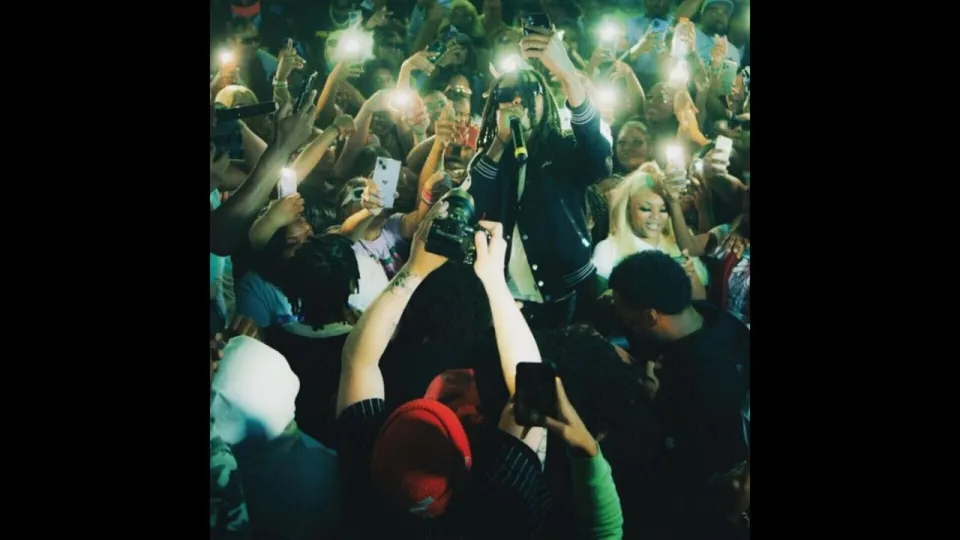
Video: [FREE] Babyfxce E x Rio Da Yung Og x Detroit Type Beat - “Superstar"
Need articles like this for your video? They help promote it on YouTube and Google — order them in the Telegram bot @sat_sit_bot. Articles with your video embedded are written and posted by the bot itself — on popular topical sites (no ads). Your first 50 articles are free.
· based on the channel Flintana
A Detroit beat is a sparse, mid-tempo trap instrumental built on clipped piano or synth loops, sliding 808s and fast hi-hat rolls, and the "Superstar" type beat from the Flintana channel follows that formula at 99 BPM in B minor for Babyfxce E and Rio Da Yung Og-style vocals. You can hear it and grab the untagged instant download through this link. The point of the style is leaving room: the beat stays thin so a deadpan, conversational flow can sit on top without fighting the drums.
What defines the Detroit beat sound
A Detroit beat is defined less by tempo than by negative space, and that is why the regional sound travels so well outside Michigan. The drums hit hard but arrive with gaps between them; the melody is usually one or two bars repeated with small variations; the low end does the emotional work. Producers in this lane lean on minor keys, because minor progressions let a rapper sound unbothered rather than sad.
The "Superstar" instrumental is a textbook example. At 99 BPM it sits just under the double-time feel that Flint and Detroit artists often ride, which means a verse can be delivered almost conversationally and still land on the grid. The key of B minor gives the loop a dark, slightly melancholic color without tipping into full melodrama.
Three structural traits show up again and again in this subgenre:
- A short intro, often just the melody, so the rapper can start talking immediately.
- A drop where the 808 and hats enter together, usually within the first eight bars.
- A stripped-back section, sometimes just drums, that acts as a natural switch-up point for a second verse.
That third trait is what separates a usable Detroit instrumental from a generic trap beat. Rappers in this scene rarely change their cadence dramatically, so the beat has to change around them.
How Babyfxce E and Rio Da Yung Og shape the instrumental
Babyfxce E and Rio Da Yung Og both work in a deadpan, almost monotone register, and that delivery dictates what a producer can put underneath them. Rio Da Yung Og is known for long, unbroken runs of punchlines delivered with minimal pitch movement; Babyfxce E trades in the same conversational, offhand phrasing. Neither style rewards a busy beat.
When producers tag a beat for these artists, they are usually signaling three things: mid-tempo drums, a loop that repeats without demanding attention, and a mix where the vocal can sit forward. The "Superstar" beat fits all three. There is no orchestral swell, no dramatic filter sweep, no drop that competes with a punchline.
The regional overlap matters too. Detroit, Flint and Milwaukee share a sonic vocabulary, which is why the same instrumental gets tagged for Veeze, Babytron and Milwaukee artists at the same time. A beat that works for one of them usually works for all of them, because the vocal approach is close enough that the production does not need to change.
Tempo, key and the technical side of a Detroit type beat
The technical specs of a Detroit type beat matter more than listeners assume, because the wrong BPM makes a flow feel rushed or lazy. At 99 BPM, a rapper has room for roughly two syllables per beat in a relaxed delivery, or four when switching to a double-time pocket. That flexibility is why the 95–105 BPM range dominates the subgenre.
B minor is a practical choice as well as an aesthetic one. The key sits comfortably in the range where 808s can be tuned low without turning to mud, and it leaves headroom for a vocal that sits in the mid range. Producers who pitch their 808s to the root note get a cleaner low end and fewer phase problems when the track is mastered.
If you are producing in this lane, the working checklist is short:
- Pick a tempo between 95 and 105 BPM and commit to it before writing the melody.
- Tune the 808 to the root of the key, not to a random sample pitch.
- Keep the melodic loop to two or four bars and resist adding a counter-melody.
- Leave the first four to eight bars sparse so the artist can ad-lib into the intro.
Free use, leases and what you can actually release
Free use of a tagged type beat covers non-profit work only, which is the single most misunderstood rule in this market. Uploading a song to Spotify, Apple Music, YouTube Music or any other streaming platform requires a valid license, and monetized releases are not covered by free use at all. If a track has already been released without a license, the correct license can still be purchased afterward.
The lease tiers for the "Superstar" beat are straightforward:
- MP3 lease — $29.99
- WAV lease — $39.99
- Unlimited lease — $89.99
There is also a buy-two-get-one-free offer: add both beats to the cart to trigger it. The practical difference between tiers usually comes down to file format, streaming caps and whether Content ID registration is permitted, so read the terms attached to the specific license before you distribute. For most independent releases, the WAV tier is the one that gives a clean master without the file-compression compromises of an MP3.
Common questions from artists picking up this beat
Artists evaluating a Detroit instrumental tend to ask the same handful of things, and the answers are consistent across the market. The first is whether the beat is copyrighted — the tagged version is, and the tag itself is part of the producer's protection, which is why the untagged file only comes with a purchase. Some listeners actually prefer hearing the tag in the intro, since it signals which producer made the loop.
The second recurring question is about intros. Short intros win: a melody-only opening of four to eight bars gives the artist space for ad-libs and gets to the drums faster, while a long cinematic build usually just delays the verse. Producers who shorten their intros consistently report better retention on both the beat video and the finished song.
The third is pricing and delivery. Beat storefronts like the one linked above handle instant delivery, so the untagged MP3 or WAV arrives immediately after checkout rather than through a manual email exchange. That matters when a session is already running and the artist needs the file in the next ten minutes.
Finally, there is the collab question. Producers frequently get asked about BandLab or cross-DAW collaboration, and the honest answer is that most type beat producers work in FL Studio and prefer to send stems or a finished two-track rather than open a shared project. If you want to work with a producer directly, ask for stems and the BPM and key, which for this beat are 99 BPM and B minor.
Where this beat fits in a release plan
A Detroit type beat like "Superstar" is best treated as the backbone of a single, not as filler for a mixtape. The sparse arrangement means the vocal has to carry the record, so it rewards an artist who has a full verse written before the session starts rather than someone searching for a flow over the loop.
Because the instrumental is tagged for Babyfxce E, Rio Da Yung Og, Veeze and Babytron, it also works as a reference point for artists building a catalog in that lane. Recording two or three songs over the same tempo and key range creates a consistent EP without the tracks sounding identical, since the melodies differ even when the drums do not.
If you plan to distribute, budget the lease into the release from the start. A $39.99 WAV lease is a small cost against a track that could carry a whole campaign, and it removes the risk of a takedown after the song has already picked up traction.
Final word
A Detroit beat works when it stays out of the rapper's way, and "Superstar" at 99 BPM in B minor is built exactly for that: a two-bar melodic loop, tuned 808s and enough empty space for a deadpan flow to sit forward. Babyfxce E, Rio Da Yung Og, Veeze and Babytron all operate in that pocket, which is why the same instrumental can serve any of them without rework. The free version is for non-profit use only, so anything heading to streaming needs a lease — MP3 at $29.99, WAV at $39.99 or Unlimited at $89.99, with the buy-two-get-one-free offer available at checkout. Grab the untagged instant download here: https://bsta.rs/X1GPw8. This breakdown comes courtesy of the Flintana channel, which publishes Detroit and Flint type beats in this style.
Key takeaways
- The "Superstar" Detroit type beat runs at 99 BPM in B minor.
- It is tagged for Babyfxce E, Rio Da Yung Og, Veeze and Babytron-style flows.
- Free use covers non-profit only; streaming and monetized releases need a lease.
- Lease tiers: MP3 $29.99, WAV $39.99, Unlimited $89.99, with a buy-2-get-1-free offer.
- Untagged instant download is available at https://bsta.rs/X1GPw8.
Source: [FREE] Babyfxce E x Rio Da Yung Og x Detroit Type Beat - “Superstar" · Markdown version
Questions & answers
Is the "Superstar" Detroit type beat free to use?
It is free for non-profit use only. That means you can record and share a song without monetizing it, but uploading to Spotify, Apple Music, YouTube Music or any other streaming platform requires a valid lease. Monetized releases and commercial distribution are not covered by the free-use terms.
What BPM and key is this beat in?
The beat runs at 99 BPM in B minor. That tempo sits in the standard Detroit and Flint range, which allows either a relaxed two-syllable-per-beat delivery or a faster double-time pocket without the instrumental feeling rushed.
How much does a lease cost and what do I get?
Leases are priced at $29.99 for MP3, $39.99 for WAV and $89.99 for Unlimited. There is also a buy-two-get-one-free offer when you add both beats to the cart. The untagged file is delivered instantly after purchase through the beat store link.
Can I still license the beat if I already released a song with it?
Yes. If a track was already released without a license, the correct license can still be purchased afterward through the same store link. Buying the lease after release is the standard way to clear a song that has already picked up streams.